-
+251 96 744 6447, +004 74 001 6882
Manufacturing
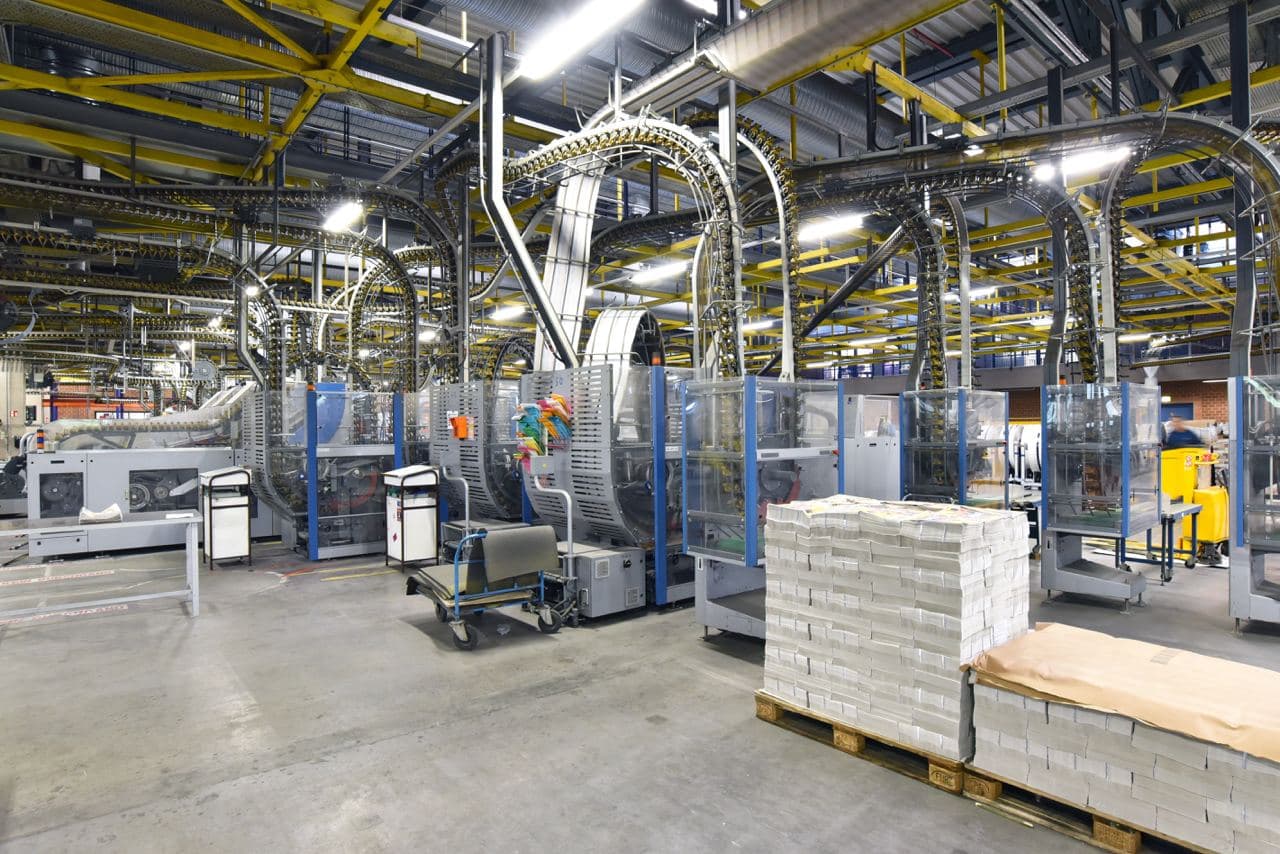
Ethiopia is one of the fastest growing economies in Africa, but the majority of it has come from the service and Agricultural sector. In recent times though the government of Ethiopia has been focusing on the manufacturing sector with a direct linkage with the agricultural sector (since the agricultural inputs are available in abundance).
The two major industries in this sector in Ethiopia are mainly the leather and leather products industry (LLP) and the Agro-processing industry.
Leather and Leather products
Investment Opportunities
Ethiopia has, in addition, not only market opportunities in key consumption markets due to duty-free quota-free market access, but also in the regional markets with high growth potential and the relatively large local market.
The key strengths of the Ethiopian LLP sector are, Ethiopia being one of the world’s largest livestock sector, having the availability of high quality and internationally renowned sheep leather; having relatively low production costs (wages, electricity); and an institutional regime that is committed to support the Ethiopian LLP sector and improve its performance through industrial policy
Cheap utility cost together: The average power cost in Ethiopia is 2 US cents to 3 US cents/kWh.
Agro-processing industry
Investment Opportunities
Ethiopia's agricultural exports are primarily unprocessed commodities, including coffee, oil seeds, pulses, live plants, and cut flowers. Conversely, agro-industries accounted for only five percent of Ethiopia's GDP, yet 50% of the total manufacturing production was in food and beverage. Since Ethiopia has a wide array of agricultural inputs, the potential to produce agro-processed products is very reliable.


Norway
- J.A. Lippestads vei 5 1336 SANDVIKA
- +004 74 001 6882
- wennovate2021@gmail.com
Ethiopia
- Addis Ababa ,Bole, W. 05, House nr. 301.
- +251 967446447
- wennovate2021@gmail.com