-
+251 96 744 6447, +004 74 001 6882
Agriculture
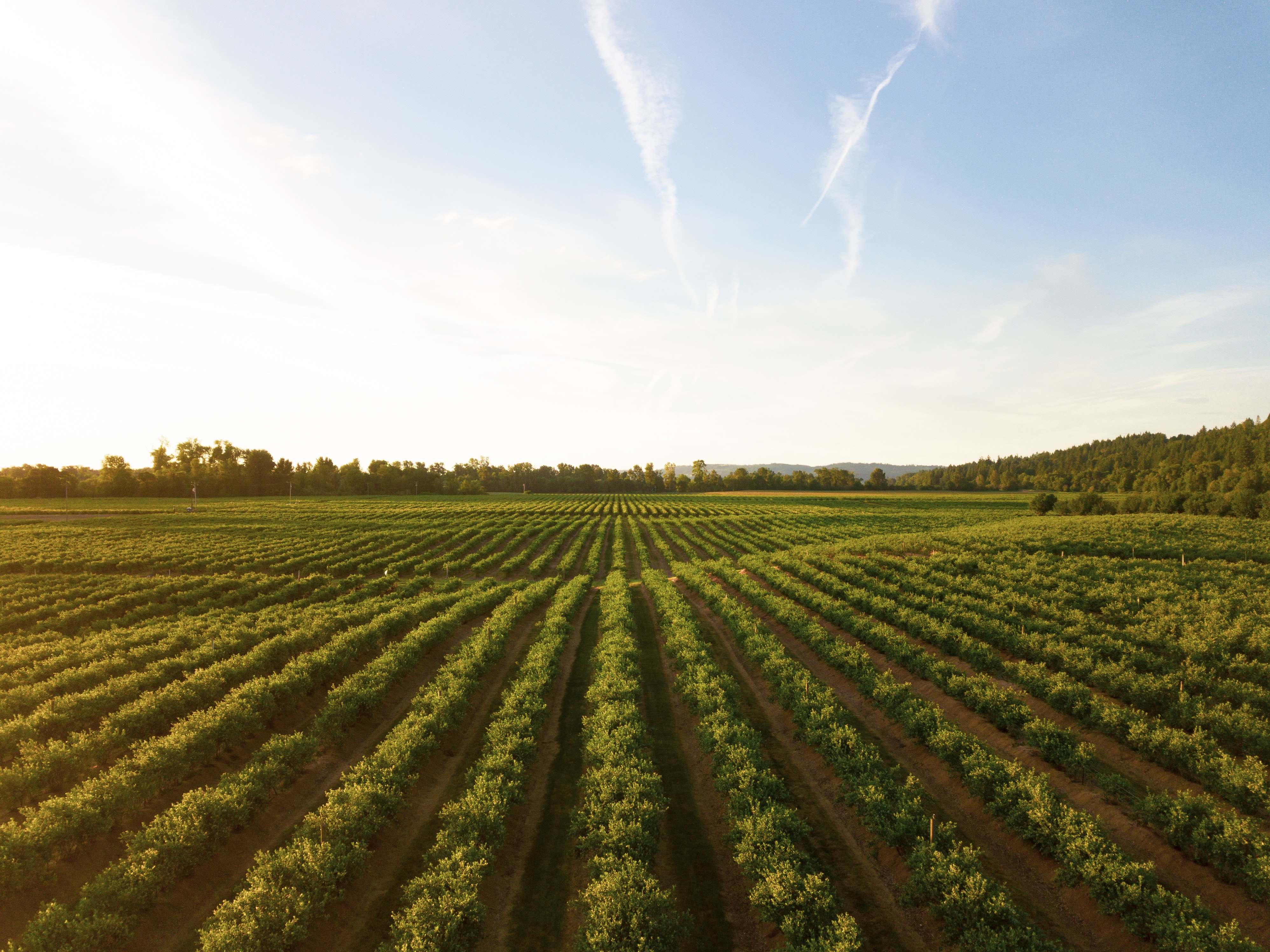
In the past two decades, and especially since the turn of the millennium, the African continent has been one of the fastest-growing regions of the world. Average annual gross domestic product (GDP) growth for the entire continent was over 4%, though with ups and downs and differences between countries. Economic growth prospects, both for the medium and long-term, are good. This anticipated development of the African continent will go hand in hand with transformative changes in its agriculture. The agricultural sector will transform not only to meet a spectacular increase in the demand for food, but also to satisfy the changing food preferences of an increasingly affluent and urbanized population. The sheer numbers are impressive: Africa's population is expected to reach 2.5 billion by 2050 vs. 1.2 billion today, with per capita consumption of food, as measured in kilocalories, more than doubling.
Livestock
Investment Opportunities
Ethiopia has some important opportunities influencing the meat and live animals’ industry, particularly the export sector. The country has large livestock population with diverse and adaptable genotypes; diverse agro-ecologies for production of different types of livestock; government interest and support to the livestock industry; increasing number of export abattoirs like Frigorico Boran Foods PLC/ Allana which has the capacity of slaughtering 6,000 Sheep’s and goats, and 3,000 heads cattle per a day. Live animal exporters; the expansion of agro-industries and the increment of by-product feedstuffs allowing for enhanced productivity; proximity to Middle Eastern countries and adaptation of importing countries to the taste of Ethiopian animals; and high demand for meat and live animals including the domestic market. There is a large potential to expand Ethiopian meat exports to the Middle East if the value chain actors in Ethiopia meet export market standards. The most exportable live animals in Ethiopia were Borena breeds of cattle and small ruminants, Harar cattle, and for meat export goat, sheep and cattle from Borena, Guji, Sumale, Affar, Jinka and other arid and semi- arid areas of the country. The reason behind is demand similarity of importing countries and the localities in which animals grew. The share of live animal exports earnings has declined since 2012/13. This was due to disease and increment of criteria from the buyer’s side.
Horticulture
Investment Opportunities
Ethiopia has an area of 1.22 million square kilometers with a great variety of climatic and soil types which can grow crops for home consumption and foreign markets. Agriculture, as the main branch of the Ethiopian economy, has a 50 % share in the GDP. Share of agriculture in employment is 85%. About 75% of Ethiopia's industry is engaged in processing of farm products. About 12,000 hectares of fruit plantation is surveyed in the peasant and state farms. From the total area of fruit plantation about 70% is cultivated by individual peasant farmers. The total annual volume of fresh fruit production of the state sector agriculture contribution is less than 20%. This indicates that Ethiopia has a great opportunity for horticulture development due to its favorable climatic conditions, fertile soils, huge irrigation potential and affordable manpower. The nation’s horticulture sector has attracted a significant amount of domestic and foreign investment. Ethiopia's horticulture products have also had a chance to penetrate into the international market in the past two decades. The sector is one of the five largest contributors of export income in 2018/19 where it earned 315.14 million USD. In this regard, floriculture and the expanding vegetable, fruits, and herbs sub sectors contributed 79 and 21 percent of the export revenue respectively. During that time, the horticulture sector has created 200,000 jobs. Besides the abundant potential, the geographical proximity of the country to major international markets (such as the Middle East and Europe) puts the country in an advantageous position.


Norway
- J.A. Lippestads vei 5 1336 SANDVIKA
- +004 74 001 6882
- wennovate2021@gmail.com
Ethiopia
- Addis Ababa ,Bole, W. 05, House nr. 301.
- +251 967446447
- wennovate2021@gmail.com